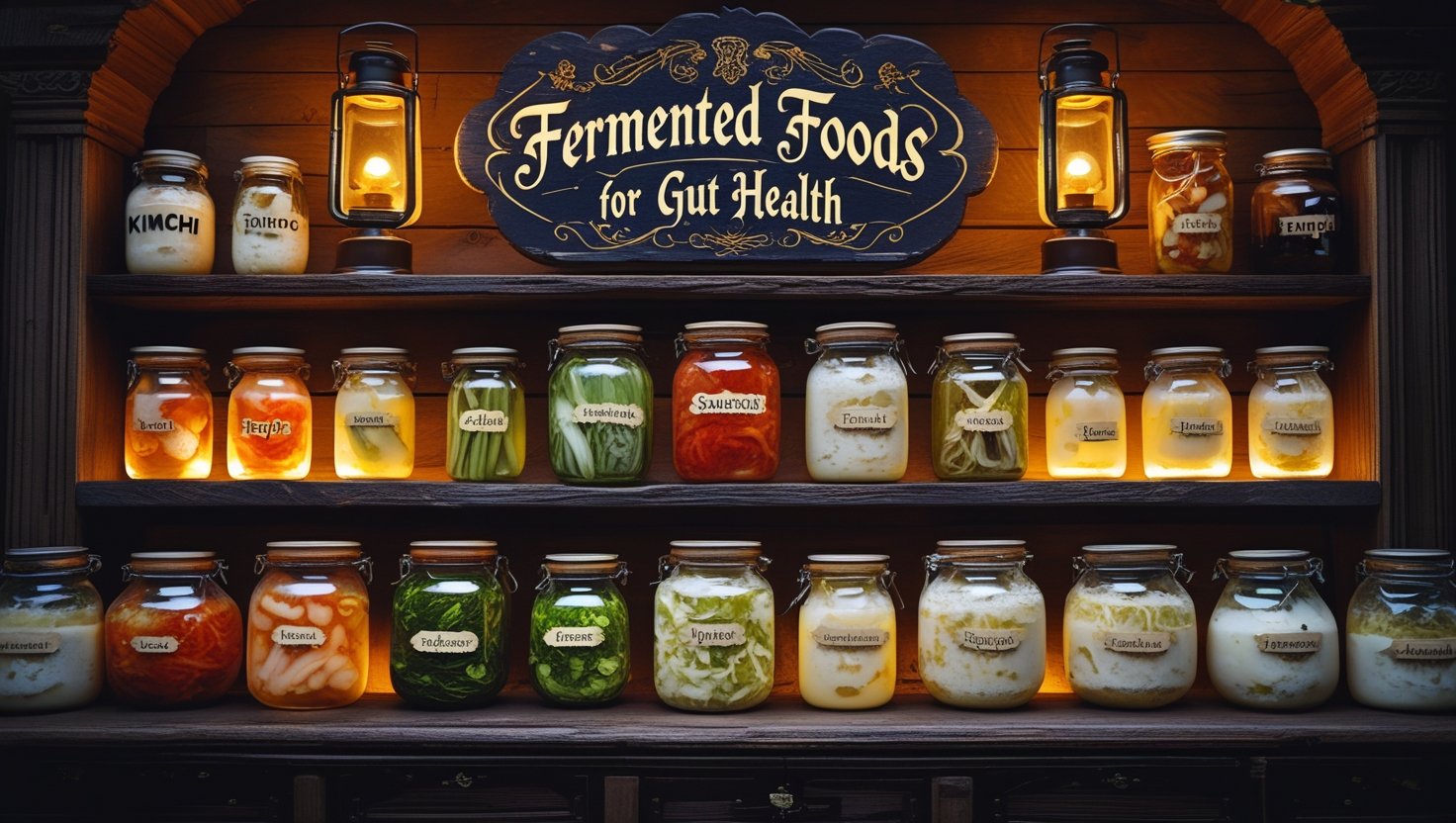
Imagine your gut as a bustling ecosystem, trillions of bacteria working around the clock to keep you healthy. But when bad bacteria outnumber the good, things go sideways: bloating, fatigue, and even mood swings creep in. This is where fermented foods come to the rescue. Packed with probiotics, these tangy, age-old staples aren’t just a food trend, they’re a science-backed way to restore balance in your gut. Let’s break down how to harness their power without falling for hype or costly supplements.
What Are Fermented Foods?
Fermentation isn’t new, your grandparents probably ate sauerkraut or yogurt long before “gut health” became a buzzword. Here’s the simple truth:
- Fermentation uses natural bacteria or yeast to break down sugars in food.
- This process creates probiotics (live microbes) that colonize your gut, crowding out harmful bacteria.
Popular examples:
- Yogurt (look for “live active cultures” on labels)
- Kimchi (Korean spicy fermented cabbage)
- Kefir (a drinkable yogurt-like probiotic powerhouse)
- Miso (Japanese fermented soybean paste)
- Kombucha (fermented tea, go for low-sugar versions)
The Science Behind Fermented Foods and Gut Health
Research shows your gut microbiome influences everything from immunity to mental health. For instance:
- A 2023 study in Cell Reports found that people who ate fermented foods daily had 19% lower inflammation markers.
- Probiotics in fermented foods help digest fiber, produce vitamins (like B12), and even send “calm down” signals to your brain via the gut-brain axis.
But there’s a catch: Not all fermented foods are equal. Pasteurized products (like most store-bought sauerkraut) lose probiotics during processing. Always check for “raw” or “unpasteurized” on labels.
5 Fermented Foods to Add to Your Diet
1. Kefir:
- Why it’s great: Contains 30+ probiotic strains—more than yogurt.
- Try this: Swap morning juice with a kefir smoothie (blend with berries and spinach).
2. Kimchi:
- Why it’s great: Rich in fiber (prebiotics) and probiotics—a double win for gut bacteria.
- Pro tip: Add kimchi to scrambled eggs or avocado toast for a flavor kick.
3. Tempeh:
- Why it’s great: Fermented soy is easier to digest than tofu and packed with protein.
- Recipe idea: Crumble tempeh into chili or stir-fries.
4. Apple Cider Vinegar:
- Why it’s great: It contains acetic acid, which supports gut lining health.
- Caution: Dilute in water—never drink it straight!
5. Homemade Sauerkraut:
- Why it’s great: Cheap, easy, and free of preservatives.
- Quick recipe: Shred cabbage, mix with salt, press into a jar, and wait 1-2 weeks.
Common Mistakes to Avoid:
- Myth: “More fermented foods = better gut health.”
Truth: Overdoing it can cause bloating. Start with 1-2 servings daily. - Myth: “All fermented foods are salty.”
Truth: Kombucha and kefir can be high in sugar—go for unsweetened versions.
How to Make Fermented Foods Work for You:
- Start small: Add a spoonful of sauerkraut to salads or a splash of kefir to oatmeal.
- DIY vs. store-bought: Homemade ferments have more probiotics, but busy? Choose reputable brands like Farmhouse Culture or GT’s Kombucha.
- Pair with prebiotics: Feed your probiotics with garlic, onions, or bananas.
Conclusion:
Your gut isn’t just a digestion machine, it’s the foundation of your overall health. Fermented foods are a tasty, natural way to nourish it, but consistency matters more than perfection. Start with one food you enjoy, and let your gut (and taste buds) guide you.
FAQs:
1. What are fermented foods?
Fermented foods (e.g., yogurt, kimchi) are preserved using natural bacteria or yeast, creating probiotics that support gut health.
2. How do fermented foods improve gut health?
They add “good” bacteria (probiotics) to your gut, aiding digestion, reducing inflammation, and boosting immunity.
3. How often should I eat fermented foods?
Start with 1–2 small servings daily (e.g., ½ cup yogurt or a forkful of sauerkraut) to avoid bloating.
4. Are probiotic supplements better than fermented foods?
No—fermented foods provide diverse bacterial strains and nutrient supplements often lacking.
5. Can everyone eat fermented foods?
Most people can, but avoid them if you’re histamine-intolerant or have a compromised immune system.
6. Can I make fermented foods at home?
Yes! Sauerkraut, kombucha, and kimchi are easy to ferment with salt, water, and time (no fancy tools needed).