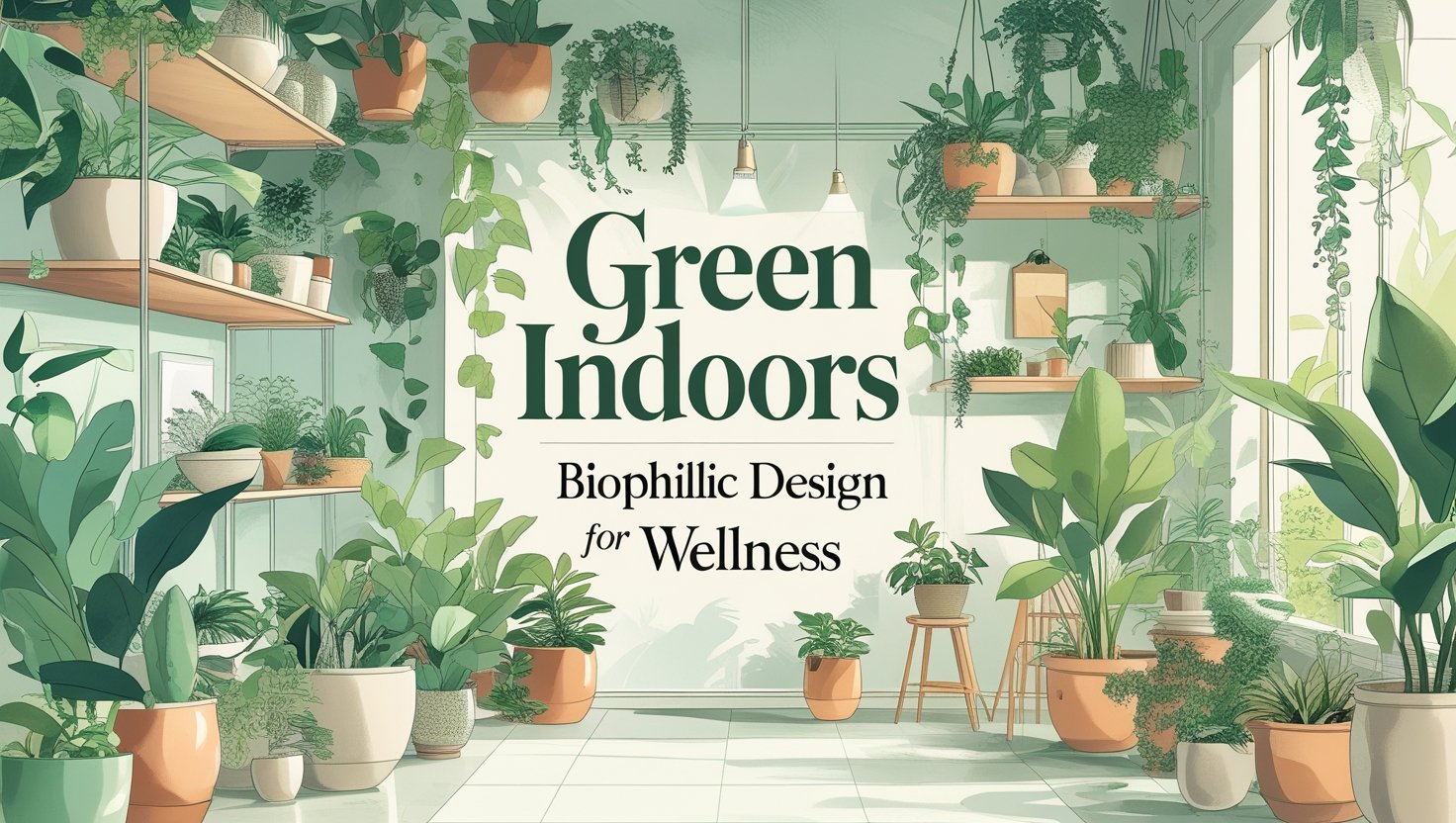
What if your home could literally heal you every time you walked through the door? Biophilic design is transforming modern living spaces from sterile environments into thriving wellness sanctuaries that nurture both body and mind. This revolutionary approach to indoor wellness design proves that bringing nature indoors isn’t just about aesthetics, it’s about creating spaces that actively promote health, happiness, and human flourishing.
Decoding Biophilic Design Fundamentals:
Biophilic design principles stem from humanity’s innate connection to nature, a bond that has shaped our evolution for millions of years. This design philosophy recognizes that modern indoor environments often disconnect us from natural elements our bodies and minds crave for optimal functioning.
Green interior design goes beyond simply adding plants to rooms. It encompasses a comprehensive approach that integrates natural light, organic materials, water elements, and living systems to create environments that support human wellness at every level.
Natural elements integration forms the foundation of successful biophilic spaces. This includes incorporating natural textures, colors, patterns, and forms that mirror outdoor environments while maintaining functionality and comfort in indoor settings.
Wellness-focused spaces designed with biophilic principles demonstrate measurable improvements in stress reduction, cognitive function, and overall well-being. Research consistently shows that humans perform better physically and mentally when surrounded by nature-inspired environments.
The science behind biophilic wellness reveals that exposure to natural elements triggers positive physiological responses, including reduced cortisol levels, improved immune function, and enhanced mood regulation through increased serotonin production.
Vertical Gardens That Breathe Life Into Spaces:
Indoor living walls represent one of the most dramatic ways to introduce biophilic elements into interior environments. These vertical gardens transform blank walls into breathing, living ecosystems that purify air while creating stunning visual focal points.
Air purification benefits from living walls extend far beyond what traditional houseplants can achieve. Large-scale plant installations can remove significant amounts of indoor air pollutants, including formaldehyde, benzene, and volatile organic compounds commonly found in modern buildings.
Humidity regulation occurs naturally through plant transpiration, creating more comfortable indoor environments without energy-intensive mechanical systems. This natural humidity control helps prevent respiratory issues and skin dryness commonly associated with over-conditioned indoor air.
Sound absorption properties of living walls provide acoustic benefits that traditional wall treatments cannot match. The combination of plant materials and growing medium creates natural sound dampening that reduces noise pollution and creates more peaceful indoor environments.
Maintenance considerations for living walls have simplified dramatically with modern irrigation systems and plant selection strategies. Automated watering systems and appropriate plant choices make vertical gardens accessible to homeowners without extensive gardening experience.
Orchestrating Natural Illumination for Health:
Natural lighting design plays a crucial role in biophilic environments by supporting circadian rhythm regulation and vitamin D synthesis. Strategic window placement and light management create environments that align with natural daily cycles.
Circadian rhythm support through proper lighting design helps regulate sleep patterns, hormone production, and energy levels. Daylight integration in interior spaces reduces dependence on artificial lighting while promoting better health outcomes.
Skylights and light wells bring natural illumination deep into interior spaces where traditional windows cannot reach. These architectural features create dynamic lighting environments that change throughout the day, maintaining a connection to natural time cycles.
Light therapy benefits occur naturally in well-designed biophilic spaces. Exposure to natural light patterns helps combat seasonal affective disorder, improves mood, and supports healthy sleep-wake cycles without requiring specialized equipment.
Energy efficiency improves significantly in biophilic designs that maximize natural lighting. Reduced artificial lighting needs lower energy consumption while creating more pleasant, naturally illuminated environments.
Choosing Nature-Inspired Textures and Surfaces:
Natural materials selection forms the tactile foundation of biophilic design. Wood, stone, natural fibers, and organic textures create sensory experiences that connect occupants to natural environments through touch and visual appeal.
Wood integration in interior spaces provides warmth and organic beauty while offering psychological benefits associated with forest environments. Different wood species contribute unique characteristics, from the calming properties of cedar to the grounding effects of oak.
Stone and mineral elements add geological connections to biophilic spaces. Natural stone surfaces, whether polished granite countertops or rough-hewn accent walls, provide visual and tactile links to earth elements.
Natural fiber textiles contribute softness and organic patterns that synthetic materials cannot replicate. Cotton, linen, wool, and other natural fibers create comfortable, breathable environments that support human comfort and wellness.
Sustainable material choices align biophilic design with environmental stewardship. Selecting responsibly sourced, renewable, and non-toxic materials creates healthy indoor environments while supporting ecological sustainability.
Liquid Therapy for Indoor Wellness:
Indoor water elements provide multiple wellness benefits through sound therapy, humidity control, and psychological relaxation. The presence of moving water creates natural white noise that masks distracting sounds while promoting mental calm.
Fountain installations range from dramatic architectural features to subtle tabletop designs, making water elements accessible for spaces of any size. The sound of flowing water triggers relaxation responses that reduce stress and promote meditation-like states.
Aquatic ecosystems, such as aquariums or indoor ponds, create living water features that combine visual interest with biological activity. These systems provide opportunities for observation and interaction with aquatic life, enhancing the biophilic experience.
Humidity benefits from water features help maintain optimal indoor moisture levels naturally. This passive humidity control improves respiratory comfort and skin health while reducing static electricity and dust circulation.
Maintenance simplification through modern water feature technology makes indoor water elements practical for most homeowners. Automated circulation, filtration, and water level management systems reduce upkeep requirements.
Nature’s Palette for Emotional Balance:
Natural color schemes based on outdoor environments create psychologically soothing interior spaces. Earth tones, plant greens, sky blues, and sunset hues provide color foundations that support mental well-being and emotional balance.
Green color therapy utilizes the psychologically calming effects of plant-inspired hues. Different shades of green create various emotional responses, from the energizing effects of bright lime to the restful qualities of deep forest green.
Earth tone integration grounds interior spaces through colors found in soil, rock, and natural landscapes. Browns, tans, and ochres create warm, stable environments that promote feelings of security and comfort.
Seasonal color adaptation allows biophilic spaces to change with natural cycles. Adjustable accent colors through textiles, artwork, and decorative elements can reflect seasonal changes, maintaining a connection to natural rhythms.
Color combination strategies based on natural environments ensure harmonious, restful interior spaces. Understanding how colors interact in nature provides guidance for creating balanced, wellness-supporting color palettes.
Choosing Green Companions for Indoor Thriving:
Indoor plant selection requires understanding both aesthetic and functional plant characteristics. Different species provide varying benefits, from air purification to aromatherapy, while requiring different care levels and environmental conditions.
Air-purifying plants offer measurable improvements in indoor air quality. Snake plants, pothos, spider plants, and peace lilies rank among the most effective species for removing common indoor pollutants while requiring minimal maintenance.
Low-maintenance options make biophilic design accessible to people with busy lifestyles or limited gardening experience. Succulents, ZZ plants, and rubber trees provide significant biophilic benefits while tolerating occasional neglect.
Aromatherapy plants such as lavender, mint, and herbs provide natural fragrance that supports wellness through scent therapy. These plants combine visual appeal with therapeutic aromatherapy benefits.
Placement strategies maximize plant benefits while maintaining design aesthetics. Understanding light requirements, growth patterns, and visual impact helps create successful indoor plant arrangements that thrive long-term.
Smart Systems for Biophilic Spaces:
Smart irrigation systems automate plant care through moisture sensors and programmable watering schedules. These technologies ensure optimal plant health while reducing the maintenance burden for homeowners.
Environmental monitoring through sensors tracks temperature, humidity, air quality, and light levels in biophilic spaces. This data helps optimize conditions for both plants and human occupants.
Lighting control systems adjust artificial lighting to complement natural light patterns. Smart lighting can gradually dim or brighten to support circadian rhythms while providing adequate illumination for plants.
Water feature automation manages fountains, aquariums, and other water elements through programmable controls. Automated systems handle circulation, filtration, and water level maintenance with minimal human intervention.
Integration platforms connect various biophilic systems through smart home technology. Comprehensive control systems allow homeowners to monitor and adjust multiple environmental factors from a single interface.
Biophilic Design for Productivity:
Home office biophilia creates work environments that support focus, creativity, and well-being. Natural elements in workspace design have been shown to improve cognitive performance and reduce work-related stress.
Productivity enhancement through biophilic design includes improved concentration, increased creativity, and reduced mental fatigue. Workers in nature-inspired environments demonstrate better problem-solving abilities and sustained attention spans.
Stress reduction in biophilic workspaces occurs through multiple mechanisms, including reduced cortisol levels, improved air quality, and psychological connections to calming natural environments.
Eye strain relief results from incorporating natural views and varied focal distances into workspace design. Plants and natural elements provide visual rest breaks that reduce digital eye strain from prolonged screen use.
Ergonomic integration combines biophilic elements with proper workplace ergonomics. Natural materials and organic forms can be incorporated into furniture design while maintaining proper support and positioning.
Nature-Inspired Sleep Environments:
Sleep quality improvement through biophilic bedroom design addresses multiple factors that influence rest quality. Natural materials, proper ventilation, and calming colors create environments that promote deeper, more restorative sleep.
Air quality optimization in bedrooms through plants and natural materials removes pollutants and provides fresh oxygen throughout the night. Certain plants, like snake plants, continue producing oxygen in the dark, improving nighttime air quality.
Natural sleep cycles are supported through careful light management and circadian rhythm consideration. Biophilic bedrooms incorporate elements that support natural melatonin production and healthy sleep-wake patterns.
Stress-free environments created through natural elements help calm the mind before sleep. Soft textures, gentle colors, and organic forms create psychological conditions conducive to relaxation and rest.
Temperature regulation through natural materials and proper ventilation creates comfortable sleep environments without over-reliance on mechanical climate control systems.
Culinary Biophilia for Nutritious Living:
Indoor herb gardens bring fresh, nutritious ingredients directly into kitchen spaces while providing ongoing biophilic benefits. Growing culinary plants creates connections to food sources while ensuring access to fresh herbs and vegetables.
Hydroponic systems enable year-round indoor growing without soil, making kitchen gardens practical in any space. Modern hydroponic technology simplifies indoor growing while maximizing yield and minimizing mess.
Nutritional benefits from fresh, home-grown produce exceed those of store-bought alternatives. Plants harvested at peak ripeness provide optimal nutrient content while eliminating pesticide exposure concerns.
Therapeutic gardening activities provide stress relief and mindfulness opportunities. The process of caring for plants, from seeding to harvest, creates meditative routines that support mental wellness.
Sustainability advantages include reduced food packaging, transportation emissions, and waste. Kitchen gardens contribute to environmental stewardship while providing superior nutrition and flavor.
Sustaining Your Biophilic Paradise:
Care routine establishment ensures the long-term success of biophilic design elements. Regular maintenance schedules for plants, water features, and natural materials prevent problems while maintaining optimal conditions.
Seasonal adjustments help biophilic systems adapt to changing environmental conditions. Understanding how natural light, temperature, and humidity changes affect indoor ecosystems enables proactive management.
Problem troubleshooting skills help identify and address issues before they become serious problems. Recognizing signs of plant stress, water system issues, or material deterioration enables timely interventions.
Professional support options provide expert assistance when needed. Landscape maintenance services, interior plant specialists, and biophilic design consultants offer professional expertise for complex systems.
Long-term sustainability planning ensures biophilic design elements continue providing benefits over time. Understanding replacement cycles, upgrade opportunities, and evolving needs helps maintain effective biophilic environments.
Conclusion:
Biophilic design transforms ordinary indoor spaces into wellness-enhancing environments that nurture human health and happiness. By integrating natural elements, living systems, and organic materials, homes become healing sanctuaries that support physical well-being and mental clarity. The journey toward green indoor living isn’t just about design trends, it’s about reconnecting with nature’s wisdom to create spaces where humans truly thrive.
FAQs:
Q1: What is biophilic design, and how does it improve wellness?
Biophilic design integrates natural elements indoors to reduce stress, improve air quality, and enhance mental well-being.
Q2: How much does it cost to implement biophilic design?
Costs range from $500-$10,000+, depending on scope, with simple plant additions being most affordable.
Q3: What are the easiest biophilic elements to add to my home?
Indoor plants, natural lighting optimization, and natural material accents provide immediate biophilic benefits.
Q4: Do biophilic design elements require high maintenance?
Modern systems and proper plant selection minimize maintenance, while automated systems reduce daily care needs.
Q5: Can biophilic design work in small spaces?
Yes, vertical gardens, compact water features, and strategic plant placement work effectively in small spaces.
Q6: What plants work best for indoor air purification?
Snake plants, pothos, spider plants, and peace lilies offer excellent air purification with minimal care requirements.