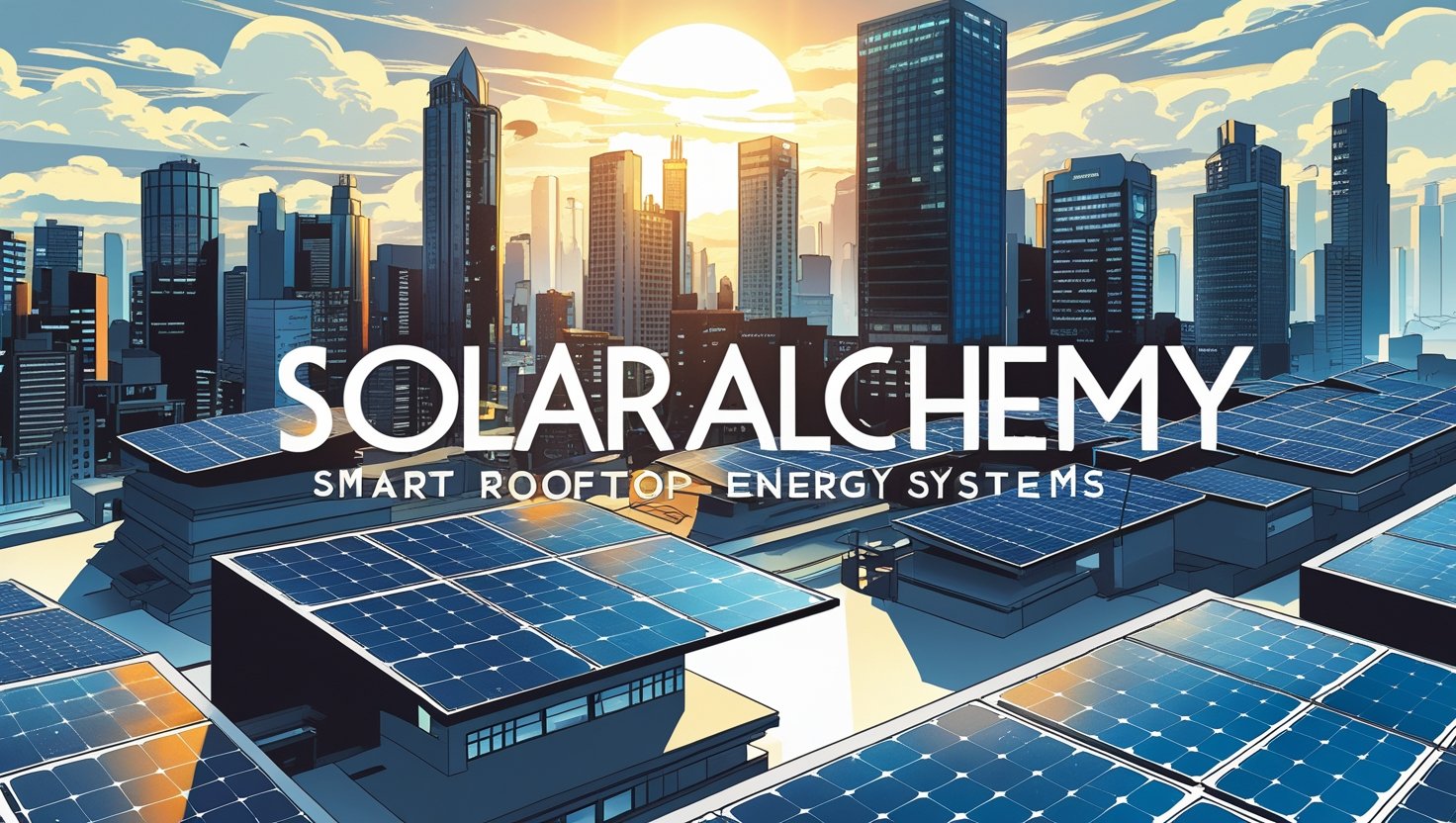
What if your roof could think, adapt, and generate power like a living organism? Solar alchemy represents the revolutionary fusion of traditional photovoltaic technology with artificial intelligence, creating smart rooftop energy systems that not only collect sunlight but also optimize, predict, and evolve with your energy needs.
The Revolutionary Science Behind Solar Alchemy:
Solar alchemy transforms ordinary rooftops into intelligent energy powerhouses through advanced integration of machine learning algorithms, IoT sensors, and adaptive solar technology. Unlike conventional solar panels that convert sunlight to electricity, these smart rooftop energy systems analyze weather patterns, predict energy consumption, and automatically adjust their performance to maximize efficiency.
The core principle involves three fundamental components working in harmony:
- Predictive Analytics: AI-powered systems forecast energy production based on weather data, seasonal patterns, and historical performance
- Dynamic Optimization: Real-time adjustments to panel orientation, inverter settings, and energy storage allocation
- Adaptive Learning: Continuous improvement through machine learning algorithms that understand your household’s unique energy fingerprint
Modern smart rooftop energy systems utilize advanced bifacial solar panels that capture sunlight from both sides, increasing energy production by up to 30% compared to traditional single-sided panels. These systems incorporate micro-inverters that optimize each panel individually, ensuring maximum power generation even when some panels experience shading or debris.
Breakthrough Technologies Revolutionizing Rooftop Solar:
The landscape of solar alchemy continues evolving with groundbreaking innovations that push the boundaries of what’s possible on residential and commercial rooftops. Perovskite-silicon tandem cells now achieve efficiency rates exceeding 29%, while traditional silicon panels typically reach only 20-22% efficiency.
Smart energy management systems integrate seamlessly with home automation platforms, allowing users to:
- Monitor real-time energy production and consumption through mobile applications
- Schedule high-energy appliances during peak solar production hours
- Automatically sell excess energy back to the grid at optimal rates
- Receive predictive maintenance alerts before issues impact performance
Building-integrated photovoltaics (BIPV) represent another revolutionary advancement, where solar cells are incorporated directly into roofing materials, windows, and building facades. These systems eliminate the need for traditional mounting hardware while maintaining architectural aesthetics.
Economic Transformation Through Intelligent Energy Systems:
Smart rooftop energy systems deliver unprecedented financial returns through sophisticated energy optimization strategies. Advanced algorithms analyze electricity market prices, weather forecasts, and household consumption patterns to maximize savings and revenue generation.
The economic benefits extend beyond simple electricity bill reduction:
- Dynamic Grid Trading: AI systems automatically buy and sell electricity based on real-time market prices
- Demand Response Participation: Earn incentives by reducing energy consumption during peak grid demand
- Predictive Maintenance: Reduce repair costs through early problem detection and preventive maintenance scheduling
- Energy Independence: Achieve 80-95% grid independence with properly sized battery storage systems
Recent studies indicate that homeowners with smart rooftop energy systems save an average of 65% more on electricity costs compared to traditional solar installations. The integration of machine learning algorithms enables these systems to adapt to changing energy markets and utility rate structures automatically.
Environmental Impact and Sustainability Revolution:
Solar alchemy represents a paradigm shift in environmental conservation, transforming individual rooftops into distributed clean energy generators that collectively reduce carbon emissions by millions of tons annually. These smart rooftop energy systems demonstrate remarkable environmental benefits that extend far beyond traditional renewable energy installations.
The environmental advantages include:
- Carbon Footprint Reduction: Average household systems prevent 3-4 tons of CO2 emissions annually
- Resource Conservation: Reduces demand on finite fossil fuel resources and decreases mining activities
- Grid Stability: Distributed energy generation reduces transmission losses and grid strain
- Ecosystem Protection: Eliminates the need for large-scale power plants that disrupt natural habitats
Advanced smart rooftop energy systems incorporate recycling protocols for end-of-life components, ensuring that solar panels, batteries, and electronic components are properly processed and reused. Modern systems achieve 95% recyclability rates, making them truly sustainable energy solutions.
Installation Process and Technical Specifications:
Implementing solar alchemy requires careful planning and professional installation to ensure optimal performance and safety. The installation process involves a comprehensive site assessment, system design, permitting, and integration with existing electrical infrastructure.
Key installation considerations include:
- Structural Assessment: Professional evaluation of roof capacity to support solar panel weight and wind loads
- Electrical Integration: Upgrading electrical panels and installing appropriate safety disconnects
- Permit Acquisition: Obtaining necessary building permits and utility interconnection agreements
- System Commissioning: Testing and calibrating all components for optimal performance
Modern smart rooftop energy systems typically require 1-3 days for installation, depending on system size and complexity. Professional installers ensure compliance with local building codes, electrical standards, and utility requirements while maximizing system performance and longevity.
Maintenance and Performance Optimization Strategies:
Smart rooftop energy systems require minimal maintenance due to their advanced monitoring capabilities and durable construction. However, implementing proper maintenance protocols ensures maximum performance and extends system lifespan to 25-30 years.
Essential maintenance activities include:
- Regular Cleaning: Removing dust, debris, and snow that can reduce panel efficiency
- Inverter Monitoring: Checking inverter performance and replacing units as needed
- Battery Maintenance: Monitoring battery health and optimizing charge cycles
- Connection Inspection: Ensuring all electrical connections remain secure and corrosion-free
Advanced solar alchemy systems provide predictive maintenance alerts through mobile applications, notifying users of potential issues before they impact energy production. This proactive approach reduces maintenance costs and prevents unexpected system failures.
Future Innovations and Market Trends:
The solar alchemy industry continues evolving rapidly, with emerging technologies promising even greater efficiency and functionality. Quantum dot solar cells, flexible photovoltaic materials, and advanced energy storage solutions represent the next generation of smart rooftop energy systems.
Emerging trends include:
- Transparent Solar Cells: Windows and skylights that generate electricity while maintaining visibility
- Organic Photovoltaics: Lightweight, flexible solar materials that can be integrated into various surfaces
- Advanced Battery Chemistry: Solid-state batteries with longer lifespans and higher energy density
- Blockchain Integration: Peer-to-peer energy trading using cryptocurrency protocols
Market analysts predict that smart rooftop energy systems will become standard in new construction by 2030, with retrofit installations growing by 25% annually. Government incentives and declining technology costs continue driving adoption across residential and commercial sectors.
Regulatory Framework and Government Incentives:
Solar alchemy benefits from comprehensive government support through tax incentives, rebates, and net metering programs. The federal solar Investment Tax Credit (ITC) allows homeowners to deduct 30% of installation costs from their federal taxes, while many states offer additional incentives.
Current incentive programs include:
- Federal Tax Credits: 30% ITC through 2032, stepping down to 26% in 2033
- State Rebates: Varying cash rebates based on system size and location
- Net Metering: Compensation for excess energy fed back to the grid
- Property Tax Exemptions: Preventing increased property taxes from solar installations
Understanding local regulations and incentive programs is crucial for maximizing the financial benefits of smart rooftop energy systems. Professional installers typically assist with incentive applications and ensure compliance with all regulatory requirements.
Conclusion:
Solar alchemy represents the evolution of renewable energy from passive collection to intelligent optimization. These smart rooftop energy systems offer unprecedented efficiency, economic benefits, and environmental impact while providing energy independence for homeowners and businesses. As technology continues advancing and costs decline, solar alchemy will become the standard for sustainable energy generation.
FAQs:
Q1: What is the average payback period for smart rooftop energy systems?
Most systems pay for themselves within 6-8 years through energy savings and incentives.
Q2: Can solar alchemy systems work during cloudy weather?
Yes, modern systems generate 15-25% of peak capacity even on overcast days.
Q3: Do smart rooftop energy systems require internet connectivity?
Internet connection enhances functionality, but systems operate independently if connectivity is lost.
Q4: What happens to the excess energy generated by the system?
Excess energy is stored in batteries or sold back to the grid through net metering programs.
Q5: Are solar alchemy systems suitable for all roof types?
Most roof types can accommodate these systems, but structural assessment determines the optimal installation approach.
Q6: How long do smart rooftop energy systems typically last?
Quality systems have 25-30-year lifespans with proper maintenance and monitoring.